•  
RIKEN and Fujitsu's superconducting quantum computer briefing

RIKEN and Fujitsu's superconducting quantum computer briefing

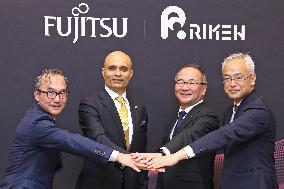
RIKEN and Fujitsu superconducting quantum computer briefing. Photo shows Shintaro Sato, Fellow and Director of the Quantum Research Institute at Fujitsu Laboratories; Vivek Mahajan, Vice President of Fujitsu; Masashi Kawasaki, Executive Director of RIKEN; and Yasunobu Nakamura, Director of RIKEN's Quantum Computing Research Center.=April 22,2025,Japan

  •  
Inauguration of the Tokyo Atacama Observatory - TAO

Inauguration of the Tokyo Atacama Observatory - TAO

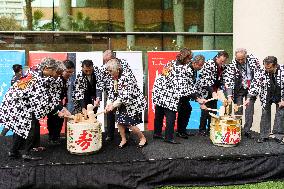
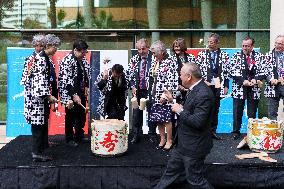
SANTIAGO, CHILE – APRIL 30: (L-R) Vice President of the University of Tokyo Ms. HAYASHI Kaori, President of the Comprehensive Research Institute of Natural Sciences in Japan, RIKEN Mr. GONOKAMI Makoto, Minister of State for Education, Culture, Sports, Science and Technology of Japan Mr. IMAEDA Soichiro, Former President of Chile Eduardo Frei, Ambassador of Japan in Chile Mrs. ITO Takako, Rector of the University of Chile Mrs. Rosa Devés, Rector of the University of Tokyo Prof. FUJII Teruo, Rector of the Pontifical Catholic University of Chile Mr. Ignacio Sánchez, Senator of the Republic of Chile Francisco Chahuán and the President, Chile-Japan Parliamentary Friendship League Mr. SHIONOYA Ryu, participate in the Kagami-Biraki for the good fortune and unity of the Tokyo Atacama Observatory – TAO project University of Tokyoon April 30, 2024 in Santiago, Chile. (Photo by Sebastián Vivallo Oñate/Agencia Makro)

  •  
Inauguration of the Tokyo Atacama Observatory - TAO

Inauguration of the Tokyo Atacama Observatory - TAO

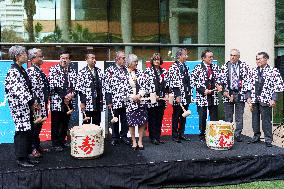
SANTIAGO, CHILE – APRIL 30: (L-R) Vice President of the University of Tokyo Ms. HAYASHI Kaori, President of the Comprehensive Research Institute of Natural Sciences in Japan, RIKEN Mr. GONOKAMI Makoto, Minister of State for Education, Culture, Sports, Science and Technology of Japan Mr. IMAEDA Soichiro, Former President of Chile Eduardo Frei, Ambassador of Japan in Chile Mrs. ITO Takako, Rector of the University of Chile Mrs. Rosa Devés, Rector of the University of Tokyo Prof. FUJII Teruo, Rector of the Pontifical Catholic University of Chile Mr. Ignacio Sánchez, Senator of the Republic of Chile Francisco Chahuán and the President, Chile-Japan Parliamentary Friendship League Mr. SHIONOYA Ryu, participate in the Kagami-Biraki for the good fortune and unity of the Tokyo Atacama Observatory – TAO project University of Tokyoon April 30, 2024 in Santiago, Chile. (Photo by Sebastián Vivallo Oñate/Agencia Makro)

  •  
Inauguration of the Tokyo Atacama Observatory - TAO

Inauguration of the Tokyo Atacama Observatory - TAO

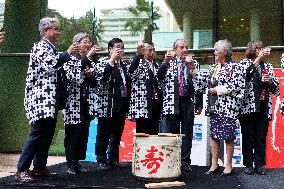
SANTIAGO, CHILE – APRIL 30: (L-R) Vice President of the University of Tokyo Ms. HAYASHI Kaori, President of the Comprehensive Research Institute of Natural Sciences in Japan, RIKEN Mr. GONOKAMI Makoto, Minister of State for Education, Culture, Sports, Science and Technology of Japan Mr. IMAEDA Soichiro, Former President of Chile Eduardo Frei, Ambassador of Japan in Chile Mrs. ITO Takako, Rector of the University of Chile Mrs. Rosa Devés, Rector of the University of Tokyo Prof. FUJII Teruo, Rector of the Pontifical Catholic University of Chile Mr. Ignacio Sánchez, Senator of the Republic of Chile Francisco Chahuán and the President, Chile-Japan Parliamentary Friendship League Mr. SHIONOYA Ryu, participate in the Kagami-Biraki for the good fortune and unity of the Tokyo Atacama Observatory – TAO project University of Tokyoon April 30, 2024 in Santiago, Chile. (Photo by Sebastián Vivallo Oñate/Agencia Makro)

  •  
Inauguration of the Tokyo Atacama Observatory - TAO

Inauguration of the Tokyo Atacama Observatory - TAO

SANTIAGO, CHILE – APRIL 30: (L-R) Vice President of the University of Tokyo Ms. HAYASHI Kaori, President of the Comprehensive Research Institute of Natural Sciences in Japan, RIKEN Mr. GONOKAMI Makoto, Minister of State for Education, Culture, Sports, Science and Technology of Japan Mr. IMAEDA Soichiro, Former President of Chile Eduardo Frei, Ambassador of Japan in Chile Mrs. ITO Takako, Rector of the University of Chile Mrs. Rosa Devés, Rector of the University of Tokyo Prof. FUJII Teruo, Rector of the Pontifical Catholic University of Chile Mr. Ignacio Sánchez, Senator of the Republic of Chile Francisco Chahuán and the President, Chile-Japan Parliamentary Friendship League Mr. SHIONOYA Ryu, participate in the Kagami-Biraki for the good fortune and unity of the Tokyo Atacama Observatory – TAO project University of Tokyoon April 30, 2024 in Santiago, Chile. (Photo by Sebastián Vivallo Oñate/Agencia Makro)

  •  
Inauguration of the Tokyo Atacama Observatory - TAO

Inauguration of the Tokyo Atacama Observatory - TAO

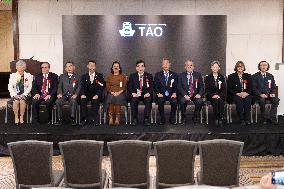
SANTIAGO, CHILE – APRIL 30: (L-R) Ambassador of Japan in Chile Mrs. ITO Takako, Rector of Pontifical Catholic University of Chile Mr. Ignacio Sánchez, President, Parliamentary League of Friendship Chile - Japan Mr. SHIONOYA Ryu, Minister of State of Education, Culture, Sports, Science and Technology of Japan Mr. IMAEDA Soichiro, Minister of Science, Technology, Knowledge and Innovation of Chile Aisén Etcheverry, President of the Comprehensive Research Institute of Natural Sciences in Japan, RIKEN Mr. GONOKAMI Makoto, Rector of the University of Tokyo Prof. FUJII Teruo, Former President of Chile Eduardo Frei, Vice President of the University of Tokyo Mrs. HAYASHI Kaori, Rector of the University of Chile Mrs. Rosa Devés, and Prof. Emeritus YOSHII Yuzuru, pose for the official photograph at the end of the ceremony inauguration of the Tokyo Atacama Observatory project - TAO of the University of Tokyo on April 30, 2024 in Santiago, Chile. (Photo by Sebastián Vivallo Oñate/Agencia Makro)

  •  
Japan's first next-generation quantum computer

Japan's first next-generation quantum computer

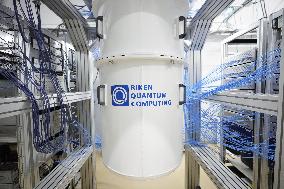
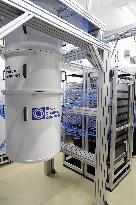
Photo taken on March 27, 2023, in Wako, Saitama Prefecture, near Tokyo, shows Japan's first domestically-built next-generation quantum computer developed by Riken research institute and its partners. The research institute and its partners allowed external researchers to start using the computer the same day.

  •  
Japan's first next-generation quantum computer

Japan's first next-generation quantum computer

Photo taken on March 27, 2023, in Wako, Saitama Prefecture, near Tokyo, shows Japan's first domestically-built next-generation quantum computer developed by Riken research institute and its partners. The research institute and its partners allowed external researchers to start using the computer the same day.

  •  
Japan's first next-generation quantum computer

Japan's first next-generation quantum computer

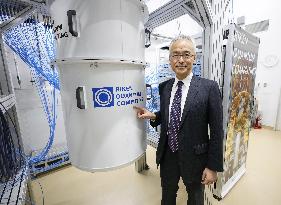
Yasunobu Nakamura, director of Riken Center for Quantum Computing at Riken research institute, shows Japan's first next-generation quantum computer developed by RIKEN research institute and its partners on March 27, 2023, in Wako, Saitama Prefecture, near Tokyo. The research institute and its partners allowed external researchers to start using the computer the same day.

  •  
Haruko Obokata

Haruko Obokata

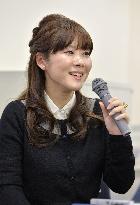
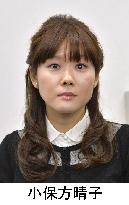
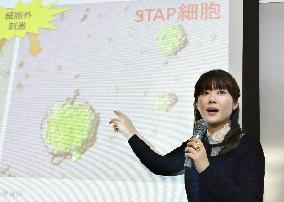
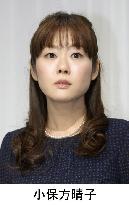
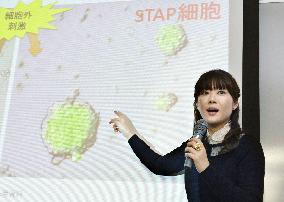
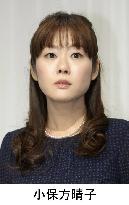
KOBE, Japan - Haruko Obokata, a scientist at Riken's Center for Developmental Biology in Kobe, speaks at a press conference in Kobe, Hyogo Prefecture, on Jan. 28, 2014, on "stimulus-triggered acquisition of pluripotency," or STAP, a method of generating pluripotent cells. A team of scientists led by Obokata has discovered, in research conducted by scientists at the state-backed Riken institute and Harvard University, that by simply exposing body cells to acidic liquids, the cells can be reprogrammed to grow into any type of mature tissue.

  •  
Haruko Obokata

Haruko Obokata

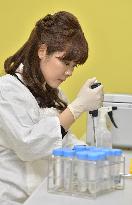
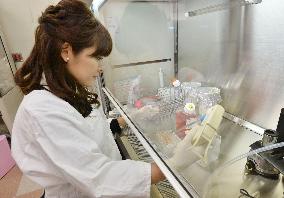
KOBE, Japan - Photo shows Haruko Obokata, a scientist at Riken's Center for Developmental Biology, at its laboratory in Kobe, Hyogo Prefecture, on Jan. 28, 2014. A team of scientists led by Obokata has discovered, in research conducted by scientists at the state-backed Riken institute and Harvard University, that by simply exposing body cells to acidic liquids, the cells can be reprogrammed to grow into any type of mature tissue.

  •  
Haruko Obokata

Haruko Obokata

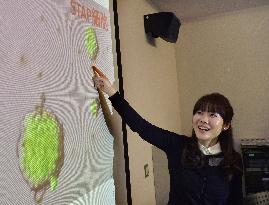
KOBE, Japan - Haruko Obokata, a scientist at Riken's Center for Developmental Biology in Kobe, speaks on "stimulus-triggered acquisition of pluripotency," or STAP, a method of generating pluripotent cells, in Kobe, Hyogo Prefecture, on Jan. 28, 2014. A team of scientists led by Obokata has discovered, in research conducted by scientists at the state-backed Riken institute and Harvard University, that by simply exposing body cells to acidic liquids, cells can be reprogrammed to grow into any type of mature tissue.

  •  
New method for reprogramming body cells

New method for reprogramming body cells

TOKYO, Japan - Photo shows Haruko Obokata, a scientist at Riken's Center for Developmental Biology in Kobe. A team of scientists led by Obokata has discovered, in research conducted by scientists at the state-backed Riken institute and Harvard University, that by simply exposing body cells to acidic liquids, the cells can be reprogrammed to grow into any type of mature tissue. They named the method of generating pluripotent cells, or cells that can grow into any type of mature tissues in the body, "stimulus-triggered acquisition of pluripotency," or STAP. The discovery was announced in the Jan. 30, 2014 issue of Nature.

  •  
New method for reprogramming body cells

New method for reprogramming body cells

KOBE, Japan - Photo shows Haruko Obokata, a scientist at Riken Center for Developmental Biology, at its laboratory in Kobe, Hyogo Prefecture, on Jan. 28, 2014. A team of scientists led by Obokata has discovered, in research conducted by scientists at the state-backed Riken institute and Harvard University, that by simply exposing body cells to acidic liquids, the cells can be reprogrammed to grow into any type of mature tissue. They named the method of generating pluripotent cells, or cells that can grow into any type of mature tissues in the body, "stimulus-triggered acquisition of pluripotency," or STAP. The discovery was announced in the Jan. 30, 2014 issue of Nature.

  •  
Riken to ask Obokata to return 600,000 yen paper submission fee

Riken to ask Obokata to return 600,000 yen paper submission fee

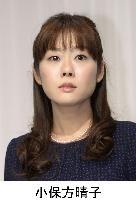
TOKYO, March 20 Kyodo - Undated photo shows Haruko Obokata, who resigned from the Riken research institute in December 2014 in the wake of a scandal over her misconduct in a so-called STAP stem-cell study. Riken announced on March 20, 2015, it plans to demand that Obokata return about 600,000 yen in research paper submission fees.

  •  
Obokata fails to file appeal after panel condemns "STAP cell" study

Obokata fails to file appeal after panel condemns "STAP cell" study

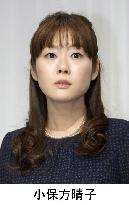
TOKYO, Japan - Photo shows Haruko Obokata, a former researcher with the Riken research institute. The institute said on Jan. 6, 2015, that Obokata has not filed an appeal in response to a panel investigation finding in December, 2014 that "STAP cells" she claimed to have created almost certainly did not exist.

  •  
Purported "STAP cells" likely came from embryonic stem cells

Purported "STAP cells" likely came from embryonic stem cells

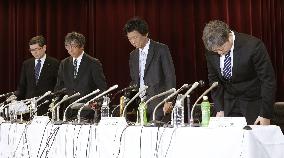
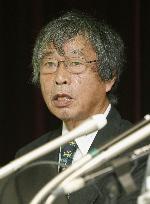
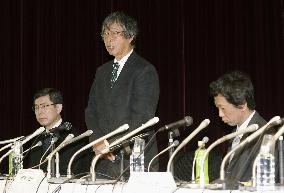
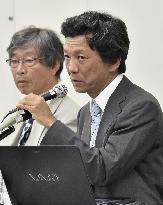
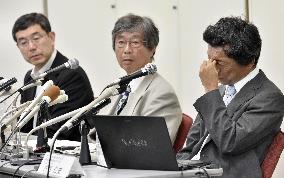
TOKYO, Japan - Isao Katsura (far R), director general of the National Institute of Genetics and leader of a panel under the Riken research institute, attends a press conference along with other panel members in Tokyo on Dec. 26, 2014, to announce that the "STAP cells" that scientist Haruko Obokata, who left Riken on Dec. 21, claimed to have created were likely cells generated from embryonic stem cells.

  •  
Purported "STAP cells" likely came from embryonic stem cells

Purported "STAP cells" likely came from embryonic stem cells

TOKYO, Japan - Isao Katsura (L), director general of the National Institute of Genetics and leader of a panel under the Riken research institute, attends a press conference along with other panel members in Tokyo on Dec. 26, 2014, to announce that the "STAP cells" that scientist Haruko Obokata, who left Riken on Dec. 21, claimed to have created were likely cells generated from embryonic stem cells.

  •  
Purported "STAP cells" likely came from embryonic stem cells

Purported "STAP cells" likely came from embryonic stem cells

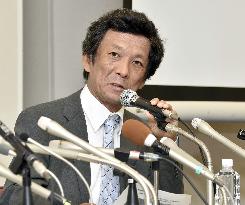
TOKYO, Japan - Isao Katsura, director general of the National Institute of Genetics and leader of a panel under the Riken research institute, attends a press conference in Tokyo on Dec. 26, 2014, to announce that the "STAP cells" that scientist Haruko Obokata, who left Riken on Dec. 21, claimed to have created were likely cells generated from embryonic stem cells.

  •  
Purported "STAP cells" likely came from embryonic stem cells

Purported "STAP cells" likely came from embryonic stem cells

TOKYO, Japan - Haruko Obokata, then a researcher with the Riken research institute, announces the creation of the "STAP cells," claimed to be capable of developing into any type of tissue, in Kobe, western Japan, in this file photo taken in January 2014. A panel under the government-backed institute said Dec. 26, 2014, that the STAP cells that Obokata claimed to have created were likely cells generated from embryonic stem cells. Obokata left her job at Riken on Dec. 21.

  •  
Purported "STAP cells" likely came from embryonic stem cells

Purported "STAP cells" likely came from embryonic stem cells

TOKYO, Japan - Photo shows Haruko Obokata, a former researcher with the Riken research institute. A panel under the government-backed institute said Dec. 26, 2014, that the "STAP cells" that Obokata claimed to have created were likely cells generated from embryonic stem cells. Obokata left her job at Riken on Dec. 21.

  •  
Obokata failed to replicate "STAP cell" creation

Obokata failed to replicate "STAP cell" creation

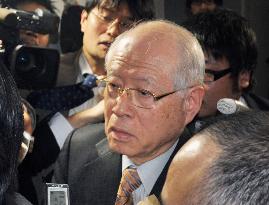
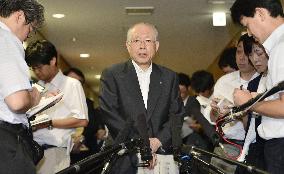
TOKYO, Japan - Riken President Ryoji Noyori, a 2001 Nobel laureate in chemistry, is surrounded by reporters at the science ministry in Tokyo on Dec. 19, 2014, as the Japanese research institute announced that embattled scientist Haruko Obokata has failed in experiments to produce the cells that she previously claimed to have created.

  •  
Obokata failed to replicate "STAP cell" creation

Obokata failed to replicate "STAP cell" creation

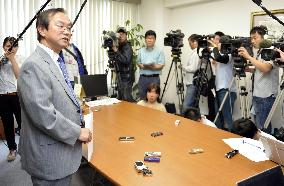
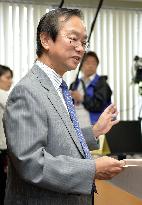
TOKYO, Japan - Shinichi Aizawa (2nd from L), head of Japan's Riken verification team on the STAP cell research, attends a press conference in Tokyo on Dec. 19, 2014. The research institute announced that embattled scientist Haruko Obokata has failed in experiments to produce the cells that she previously claimed to have created.

  •  
Obokata failed to replicate "STAP cell" creation

Obokata failed to replicate "STAP cell" creation

TOKYO, Japan - Shinichi Aizawa (2nd from L), head of Japan's Riken verification team on the STAP cell research, attends a press conference in Tokyo on Dec. 19, 2014. The research institute announced that embattled scientist Haruko Obokata has failed in experiments to produce the cells that she previously claimed to have created.

  •  
Obokata failed to replicate "STAP cell" creation

Obokata failed to replicate "STAP cell" creation

TOKYO, Japan - Shinichi Aizawa, head of Japan's Riken verification team on the STAP cell research, attends a press conference in Tokyo on Dec. 19, 2014. The research institute announced that embattled scientist Haruko Obokata has failed in experiments to produce the cells that she previously claimed to have created.

  •  
Obokata failed to replicate "STAP cell" creation

Obokata failed to replicate "STAP cell" creation

TOKYO, Japan - Shinichi Aizawa (C), head of Japan's Riken verification team on the STAP cell research, attends a press conference in Tokyo on Dec. 19, 2014. The research institute announced that embattled scientist Haruko Obokata has failed in experiments to produce the cells that she previously claimed to have created.

  •  
Verification experiment on STAP cells to be terminated

Verification experiment on STAP cells to be terminated

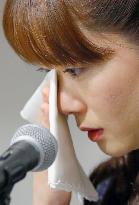
TOKYO, Japan - Embattled scientist Haruko Obokata at Japan's Riken research institute wipes away tears during a press conference in April 2014 at an Osaka hotel, as doubts emerged about so-called STAP cell papers she co-authored. Riken will announce on Dec. 19, 2014, that it has decided to end the verification experiment over her research as the cells cannot be produced.

  •  
Obokata apparently fails to reproduce STAP cells

Obokata apparently fails to reproduce STAP cells

TOKYO, Japan - File photo taken in January 2014 shows scientist Haruko Obokata at Japan's Riken research institute announcing her research into so-called STAP cells in the western city of Kobe. Her research papers were withdrawn later amid allegations of misconduct, and it was reported on Dec. 18, 2014, that she has failed to reproduce STAP cells during verification experiments.

  •  
Waseda to strip Obokata of doctorate unless dissertation corrected

Waseda to strip Obokata of doctorate unless dissertation corrected

TOKYO, Japan - Photo shows Haruko Obokata, a 31-year-old researcher at the Japanese government-affiliated Riken institute. Waseda University said Oct. 7, 2014, it will strip Obokata of her doctorate unless she corrects her dissertation, following her involvement in a scandal earlier in the year related to research on so-called STAP cells. Citing a serious fault in the dissertation screening process, the university gave Obokata a year to correct a number of irregularities including the use of material from a U.S. website.

  •  
Riken team has not reproduced STAP cells

Riken team has not reproduced STAP cells

TOKYO, Japan - Hitoshi Niwa (R), a researcher at the Riken research institute who heads the team reexamining the so-called STAP cells, speaks at a news conference in Tokyo on Aug. 27, 2014. He said the team has yet to reproduce through ongoing experiments the cells described in Haruko Obokata's research papers, which she subsequently withdrew amid allegations of misconduct.

  •  
Riken team has not reproduced STAP cells

Riken team has not reproduced STAP cells

TOKYO, Japan - Hitoshi Niwa (R), a researcher at the Riken research institute who heads the team reexamining the so-called STAP cells, prepares to answer a question during a press conference in Tokyo on Aug. 27, 2014. He said the team has yet to reproduce through ongoing experiments the cells described in Haruko Obokata's research papers, which she subsequently withdrew amid allegations of misconduct.

  •  
Riken team has not reproduced STAP cells

Riken team has not reproduced STAP cells

TOKYO, Japan - Hitoshi Niwa, a researcher at the Riken research institute who heads the team reexamining the so-called STAP cells, speaks at a news conference in Tokyo on Aug. 27, 2014. He said the team has yet to reproduce through ongoing experiments the cells described in Haruko Obokata's research papers, which she subsequently withdrew amid allegations of misconduct.

  •  
Riken team has not reproduced STAP cells

Riken team has not reproduced STAP cells

TOKYO, Japan - Hitoshi Niwa, a researcher at the Riken research institute who heads the team reexamining the so-called STAP cells, speaks at a news conference in Tokyo on Aug. 27, 2014. He said the team has yet to reproduce through ongoing experiments the cells described in Haruko Obokata's research papers, which she subsequently withdrew amid allegations of misconduct.

  •  
Riken to halve scale of Center for Developmental Biology

Riken to halve scale of Center for Developmental Biology

TOKYO, Japan - Ryoji Noyori, the Nobel chemistry laureate and president of the government-backed Riken research institute, speaks at a news conference in Tokyo on Aug. 27, 2014, after submitting a plan to Hakubun Shimomura, minister in charge of science and technology, to halve the scale of the Center for Developmental Biology after it failed to prevent researcher Haruko Obokata's misconduct.

  •  
Riken to halve its size following STAP cell scandal

Riken to halve its size following STAP cell scandal

TOKYO, Japan - Riken President Ryoji Noyori meets with reporters on Aug. 27, 2014, at the science ministry in Tokyo, Japan, after reporting to science minister Hakubun Shimomura that the government-affiliated research institute will halve its size in the wake of the STAP cell scandal.

  •  
STAP paper co-author Sasai commits suicide

STAP paper co-author Sasai commits suicide

KOBE, Japan - Photo shows Japanese scientist Yoshiki Sasai, a co-author of controversial research papers on so-called STAP cells. He committed suicide on Aug. 5, 2014, at an institute of the government-affiliated Riken in the western Japan city of Kobe.

  •  
Obokata arrives at Riken to prove STAP cells

Obokata arrives at Riken to prove STAP cells

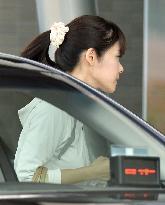
KOBE, Japan - Haruko Obokata, the lead author of two controversial STAP cell papers, enters Riken's Center for Developmental Biology in Kobe on July 2, 2014, to participate in experiments to verify the findings of her research. Obokata, 30, will participate in the experiments through Nov. 30 to determine if STAP cells can be produced. The institute said it will secure transparency by video recording her experiments and through other means.

  •  
Obokata arrives at Riken to prove STAP cells

Obokata arrives at Riken to prove STAP cells

KOBE, Japan - Haruko Obokata, the lead author of two controversial STAP cell papers, enters Riken's Center for Developmental Biology in Kobe on July 2, 2014, to participate in experiments to verify the findings of her research. Obokata, 30, will participate in the experiments through Nov. 30 to determine if STAP cells can be produced. The institute said it will secure transparency by video recording her experiments and through other means.

  •  
Obokata arrives at Riken to prove STAP cells

Obokata arrives at Riken to prove STAP cells

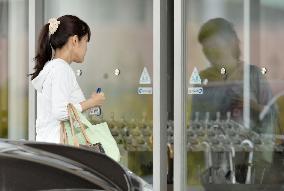
KOBE, Japan - Haruko Obokata, the lead author of two controversial STAP cell papers, arrives at Riken's Center for Developmental Biology in Kobe on July 2, 2014, to participate in experiments to verify the findings of her research. Obokata, 30, will participate in the experiments through Nov. 30 to determine if STAP cells can be produced. The institute said it will secure transparency by video recording her experiments and through other means.

  •  
Obokata arrives at Riken to prove STAP cells

Obokata arrives at Riken to prove STAP cells

KOBE, Japan - Haruko Obokata, the lead author of two controversial STAP cell papers, enters Riken's Center for Developmental Biology in Kobe on July 2, 2014, to participate in experiments to verify the findings of her research. Obokata, 30, will participate in the experiments through Nov. 30 to determine if STAP cells can be produced. The institute said it will secure transparency by video recording her experiments and through other means.

  •  
Obokata rejects most recent doubt

Obokata rejects most recent doubt

OSAKA, Japan - Hideo Miki, lawyer for Haruko Obokata, a researcher with the government-funded Riken institute, meets reporters in Osaka on June 18, 2014. Miki said Obokata, the lead author of two controversial papers on STAP cells, or stimulus-triggered acquisition of pluripotency cells, is eager to prove on her own that her findings are valid, refuting her research collaborator's recent unsupportive remarks.

  •  
Obokata rejects most recent doubt

Obokata rejects most recent doubt

OSAKA, Japan - Hideo Miki, lawyer for Haruko Obokata, a researcher with the government-funded Riken institute, meets reporters in Osaka on June 18, 2014. Miki said Obokata, the lead author of two controversial papers on STAP cells, or stimulus-triggered acquisition of pluripotency cells, is eager to prove on her own that her findings are valid, refuting her research collaborator's recent unsupportive remarks.

  •  
Top Riken research center officials meet press

Top Riken research center officials meet press

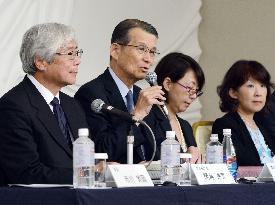
TOKYO, Japan - Masatoshi Takeichi (C), director of the government-affiliated Riken institute's Center for Development Biology, and other senior officials meet the press on June 12, 2014, following recommendations by an outside panel to disband the center in the wake of a scandal surrounding a STAP stem cell study by one of its scientists.

  •  
Panel urges research center to disband after STAP controversy

Panel urges research center to disband after STAP controversy

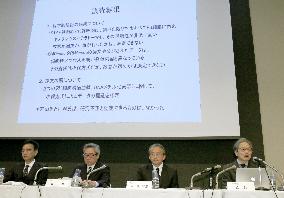
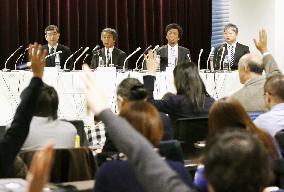
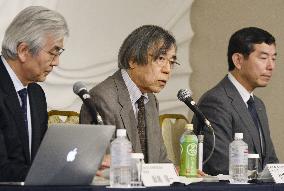
TOKYO, Japan - Members of a panel tasked with reforming operations of the Riken research institute attend a press conference on June 12, 2014, in Tokyo, urging it to disband the research center employing Haruko Obokata following misconduct over a study into so-called STAP cells. They include the panel chief Teruo Kishi (2nd from L).

  •  
RIKEN chief Noyori meets wife of former Qatar emir

RIKEN chief Noyori meets wife of former Qatar emir

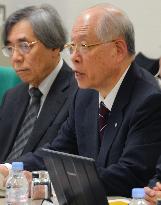
KOBE, Japan - Ryoji Noyori (R), a Nobel laureate and president of RIKEN, Japan's largest scientific think tank, speaks during a meeting with Her Highness Mozah bint Nasser Al Missned, wife of Qatar's former emir Sheikh Hamad bin Khalifa Al Thani, at the government-funded research institute in Kobe, western Japan, on April 24, 2014.

  •  
Wife of former Qatar emir visits RIKEN

Wife of former Qatar emir visits RIKEN

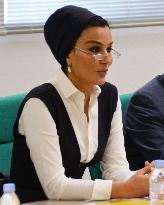
KOBE, Japan - Her Highness Mozah bint Nasser Al Missned, wife of Qatar's former emir Sheikh Hamad bin Khalifa Al Thani, exchanges views with RIKEN leaders, including President Ryoji Noyori, a Nobel laureate, at the government-funded research institute in Kobe, western Japan, on April 24, 2014.

  •  
Stem cell papers

Stem cell papers

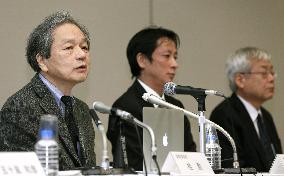
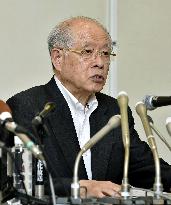
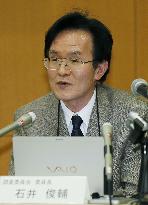
TOKYO, Japan - Shunsuke Ishii, head of the Japanese government-backed Riken institute's investigating panel, holds a press conference in Tokyo on April 1, 2014. Riken acknowledged as fraudulent some portions of purportedly trailblazing stem cell research papers by its researchers and others.

  •  
Stem cell papers

Stem cell papers

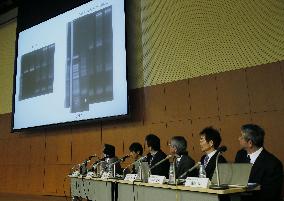
TOKYO, Japan - The Japanese government-backed Riken institute's investigating panel holds a press conference in Tokyo on April 1, 2014. Riken acknowledged as fraudulent some portions of purportedly trailblazing stem cell research papers by its researchers and others.

  •  
Photo of Riken Kobe Branch buildings

Photo of Riken Kobe Branch buildings

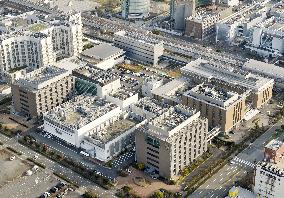
KOBE, Japan - This photo taken from a Kyodo News helicopter on March 19, 2014, shows a set of Riken Kobe Branch buildings (C) and the Institute of Biomedical Research and Innovation (back R) in Kobe, western Japan.

  •  
Riken admits malpractice in STAP papers

Riken admits malpractice in STAP papers

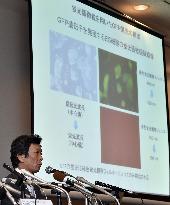
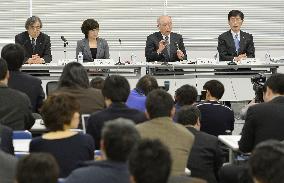
TOKYO, Japan - Ryoji Noyori (2nd from R), Nobel Prize laureate and president of the government-affiliated Riken institute, speaks at a press conference in Tokyo on March 14, 2014, to provide an interim report on the institute's investigation into allegations concerning two recent papers on potentially groundbreaking stem cell research. Riken admitted that the papers on so-called STAP cells show aspects of serious malpractice.

  • Main
  • Top
  • Editorial
  • Creative
  • About Us
  • About ILG
  • Terms of use
  • Company
  • BEHIND
  • Price List
  • Single Plan
  • Monthly Plan
  • Services
  • Shooting
  • Rights Clearance
  • Support
  • FAQ
  • How To Buy
  • Contact Us
  • Become a Partner

© KYODO NEWS IMAGES INC

All Rights Reserved.

  • Editorial
  • Olympics
  • News
  • Sports
  • Japan
  • Tech
  • Royal
  • Disaster
  • NorthKorea
  • Old Japan
  • SNS
  • Creative
  • Food
  • Japan
  • Landscape
  • Animal
  • Popular
  • #Ukraine
  • #China
  • #coronavirus
  • #N. Korea
  • #Russia
  • #Thailand
  • #Ukraine
  • #China
  • #coronavirus
  • #N. Korea
  • #Russia
  • #Thailand
  • Food
  • Japan
  • Landscape
  • Animal
  • Olympics
  • News
  • Sports
  • Japan
  • Tech
  • Royal
  • Disaster
  • NorthKorea
  • Old Japan
  • SNS